
EU & Raw Materials
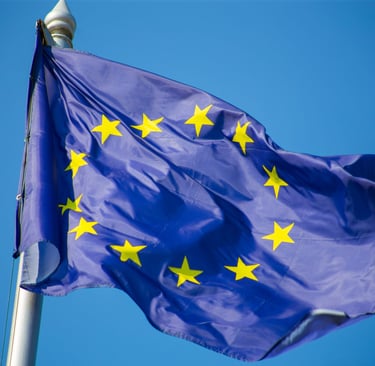
The European Union has approved the Regulation on Critical Raw Materials, known as the Critical Raw Materials Act, Regulation (EU) 2024/1252.
Its objective is to ensure a stable and sustainable supply of raw materials that are essential for sectors such as energy, digital technologies, manufacturing industry, and defence, while reducing excessive dependencies and strengthening Europe’s industrial autonomy.
The regulation sets out targets for 2030 that guide European policy:


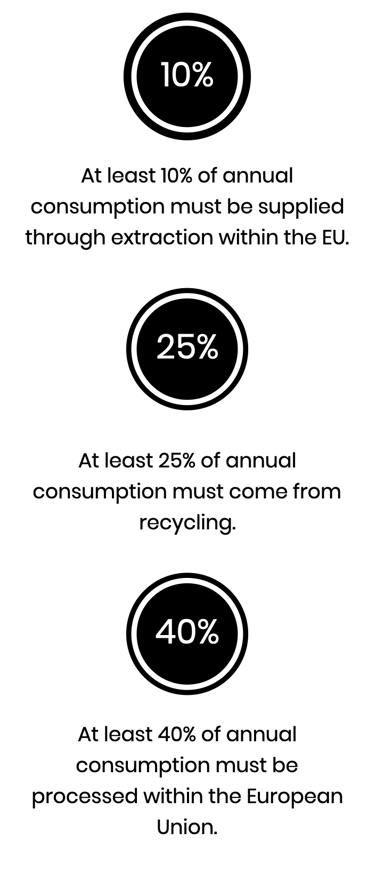
Dependence on a single country outside the European Union should not exceed 65% of annual consumption for each strategic raw material.
To enable these targets, the regulation introduces the concept of Strategic Projects, granting them administrative priority, a single point of contact in each Member State, and maximum time limits for permitting—such as 27 months for extraction projects and 15 months for processing or recycling projects—without lowering environmental and social standards.
.
Technology, Environment & Sustainability
The environmental approval of the Mina da Borralha Project is based on in-depth technical studies carried out by specialized teams and rigorously assessed by the competent authorities. This process established clear criteria for development, monitoring, and territorial protection, ensuring a solid framework for all phases of the project.
The project incorporates current technologies and advanced management systems that enable efficient use of resources, continuous operational control, and ongoing monitoring of the surrounding environment. The digitalization of processes and the integration of environmental data ensure evidence-based decision-making and continuous improvement.
Water plays a central role. Mechanisms are planned for the systematic monitoring of water resources and for environmental enhancement actions, including the restoration of the Amiar stream and the responsible management of historical liabilities associated with the former mine.
Air quality, noise, and vibrations are monitored through procedures aligned with current best practices, ensuring strict compliance with legal limits and transparency in the communication of results.
Environmental monitoring is presented as a tool for assurance and verification, enabling continuous tracking, adjustment, and improvement, with information made accessible to the community.
