Borralha History
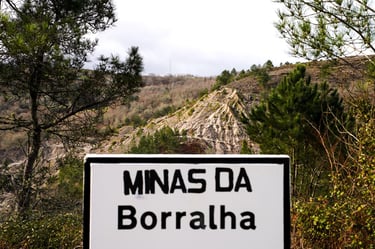
The history of Borralha is deeply connected to tungsten mining in Portugal and dates back to the early 20th century. In 1902, the mining concession was granted, marking the beginning of a development cycle that would come to shape both the local and national economy.
Organized mining operations began in 1903, and just a few years later, in 1910, Borralha was already recognized as the country’s largest source of wolfram. Over the following decades, the mine played a central role in supplying this material, particularly during periods of heightened international demand.
Mining activity continued on a regular basis until 1985, with two periods of interruption. The first occurred between 1944 and 1946, as a result of legal restrictions. The second took place between 1958 and 1962, due to economic and market constraints.
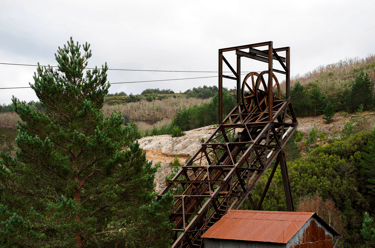
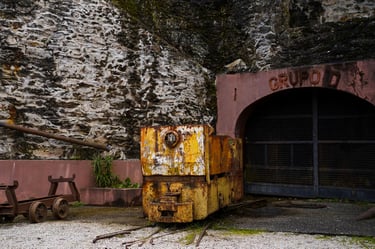
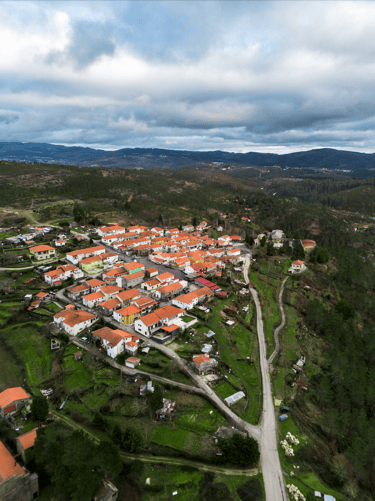
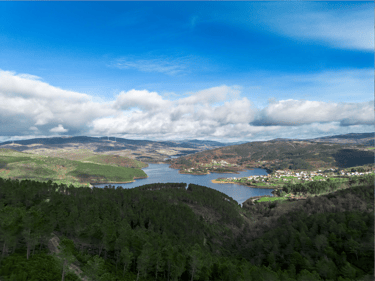


Mining activity continued on a regular basis until 1985, with two periods of interruption. The first occurred between 1944 and 1946, due to legal requirements. The second took place between 1958 and 1962, associated with economic and market constraints.
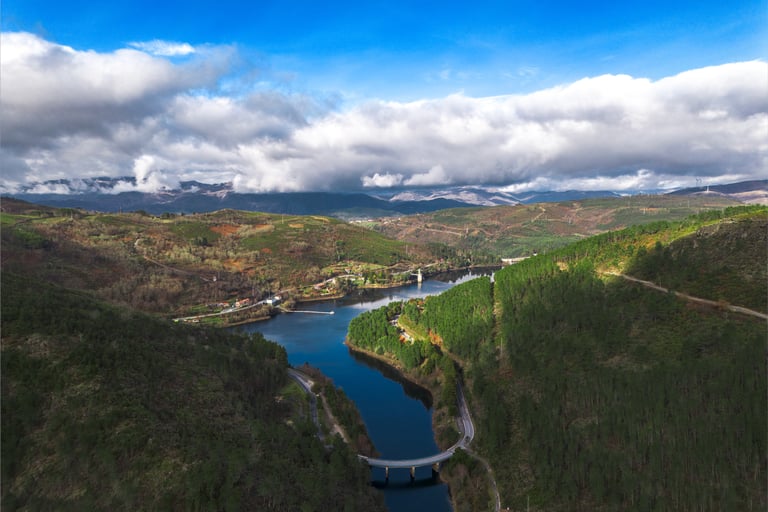
During this period, cumulative production of concentrates is estimated at approximately 18,500 tonnes, reaching its annual peak in 1955. The mine employed generations of workers and profoundly shaped the landscape, social organization, and identity of Borralha.
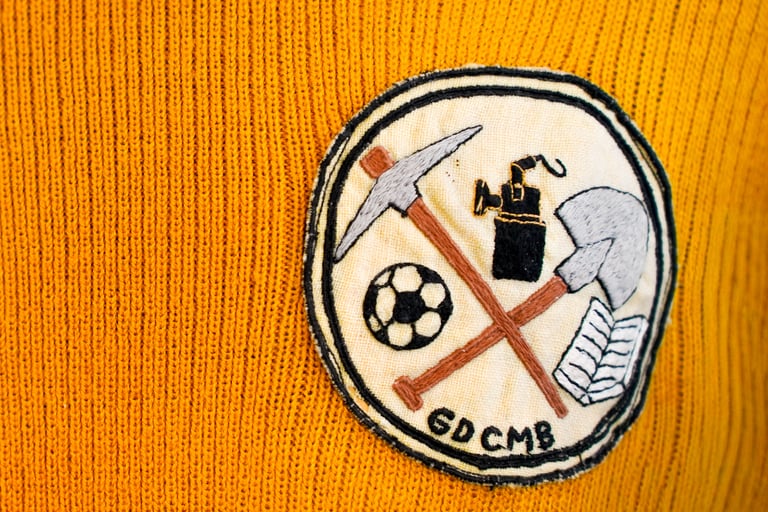

This historical legacy is today a central element of local identity and a starting point for an approach that brings together memory, heritage value, and the future.
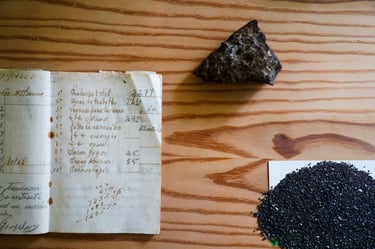
Throughout this trajectory, Borralha shaped the landscape, the local economy, and the lives of families, leaving behind a material and documentary heritage that today forms an essential part of the region’s identity.
Legacy and Museum
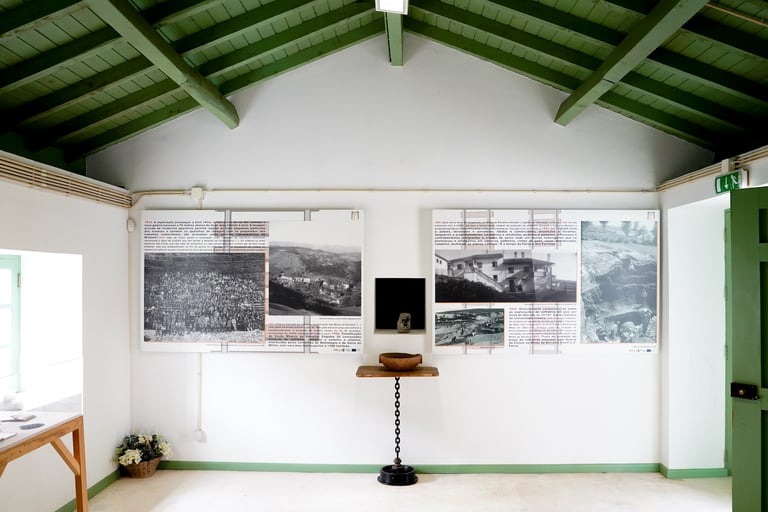
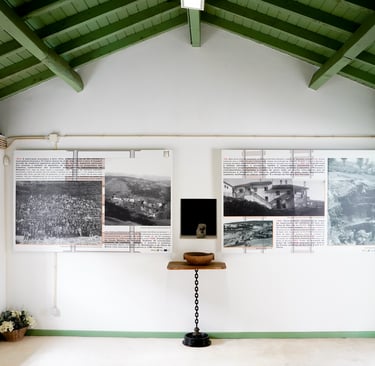
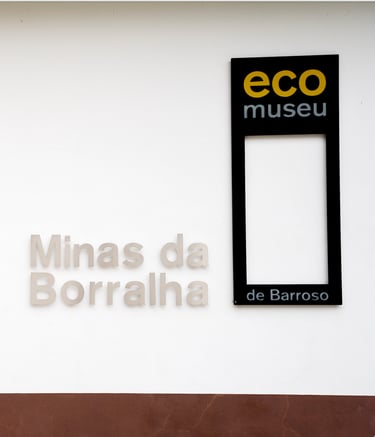
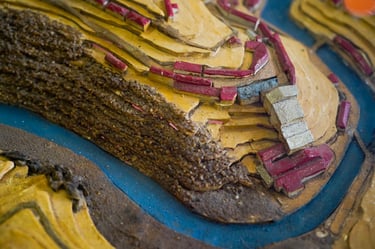
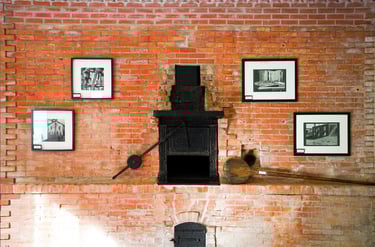
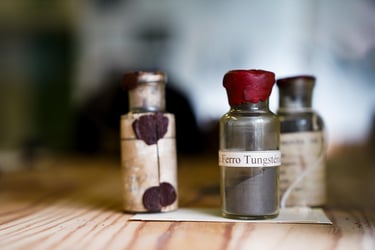
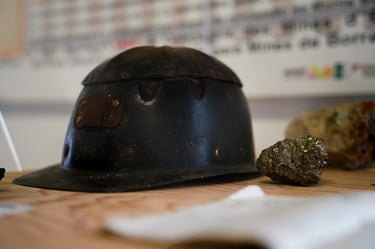
Borralha already has a museum hub dedicated to its memory: the Barroso Ecomuseum – Borralha Mines Interpretive Centre, created in 2015 to preserve local history and highlight the heritage associated with mining activity.
The Mina da Borralha Project includes the restructuring and enhancement of this ecomuseum, through the restoration of historic buildings and structures, improvements to interpretive trails, and the strengthening of educational and cultural programming—ensuring that Borralha’s memory remains alive and accessible to both the community and visitors.
Beyond the enhancement of historical heritage, the project incorporates a long-term vision for the territory. The creation of an environmental park is planned, designed as a high-quality public space for community use and landscape integration, which will remain as a lasting legacy after the end of mining operations.
Throughout the entire project cycle—before, during, and after operations—the Mina da Borralha is committed to supporting the revitalization of the territory, contributing to local development, the creation of complementary economic opportunities, and the recognition and empowerment of the people who live in the region.
The project’s legacy is understood as a continuous and shared process, ensuring that Borralha benefits from mining activity both in the present and in the future, by leaving behind infrastructure, spaces, and initiatives that strengthen quality of life, social cohesion, and the long-term sustainability of the territory.